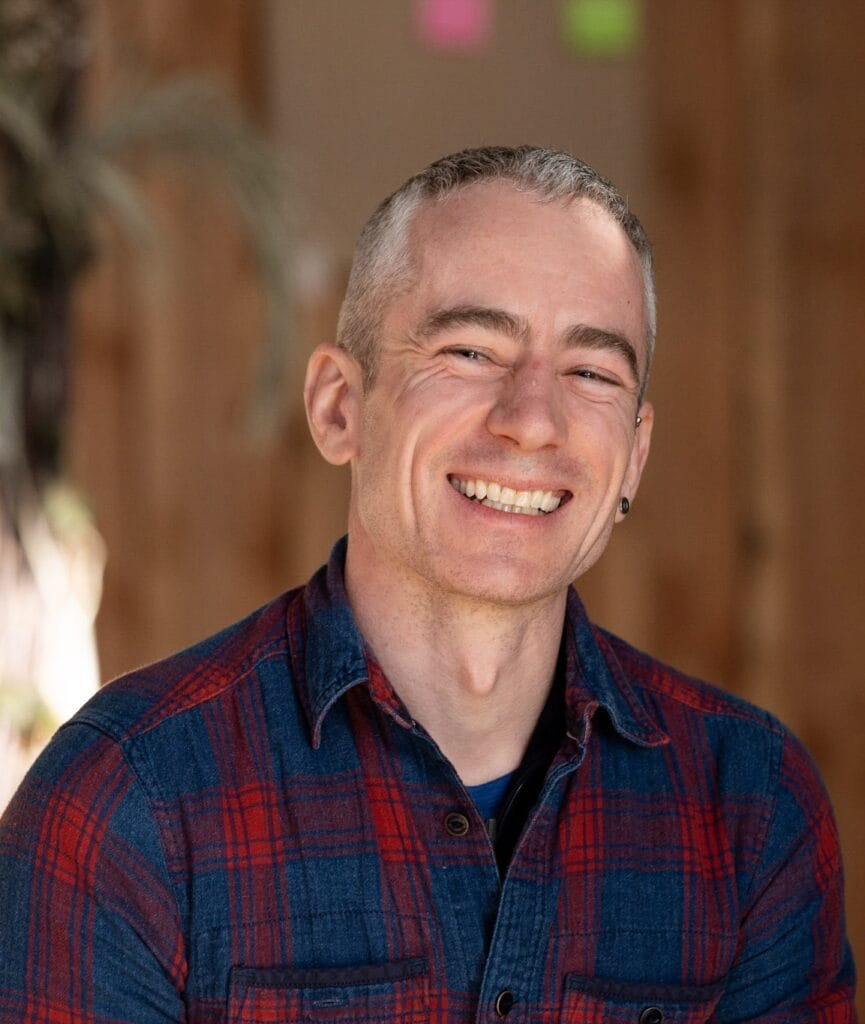
Today’s guest post is written by James, a Bristol-based business coach specialist at www.jamesohalloran.com. James discusses the power that modern addictions can have over us, and how coaching can help!
What are Modern Addictions?
In the memoir “Hungry Ghosts,” Gabor Maté shares his profound insights gained from two decades of serving addicts in downtown Canada. As a former GP turned trauma expert, he delves into the intricacies of addiction, shedding light on his own struggles with compulsion.
Photo of James in the throws of addiction… 😆
During his time treating patients entrenched in the clutches of heroin and crystal meth, Maté realised he harboured his own ‘acceptable’ addiction – an insatiable craving for buying classical music CDs.
Though it may have appeared harmless in comparison to the substances he treated, this compulsion wrapped tightly around his life, tugging at his relationships, and somewhat controlling every aspect of his daily routine.
Maté’s definition of addiction resonates deeply:
What is an addiction?
“Any behaviour that a person craves, finds temporary relief or pleasure in, but suffers negative consequences as a result of, and yet has difficulty giving up.”
Gabor Maté
So, what about you? What holds sway over your actions, demanding your attention without thought or purpose? In today’s world, some common addictions are:
🍬 Sugar (or processed food)
📲 Social Media
🍵 Coffee (or perhaps tea?)
🍷 Alcohol (a trigger for a lot of people)
🎾 Sport
💭 Thinking …
What can we do About our Addictions?
While some addictions seem harmless, they all share a common thread: they shield us from pain, offering a fleeting reprieve from our emotional landscape. They also keep us in our comfort zone without us having to ‘try new things and break free’ from the addiction, which requires action away from the unconscious state we are in with these addictions.
Confronting our compulsions may seem daunting, but with the right support, it becomes a journey of empowerment and growth. Reach out to James and reclaim your journey towards performance and joy all while tackling your gnarly business challenges.
James is a Bristol Business Coach dedicated to supporting business founders and their teams. James helps clients identify behaviours, both beneficial and detrimental, guiding them towards a path of greater awareness, peace and success.
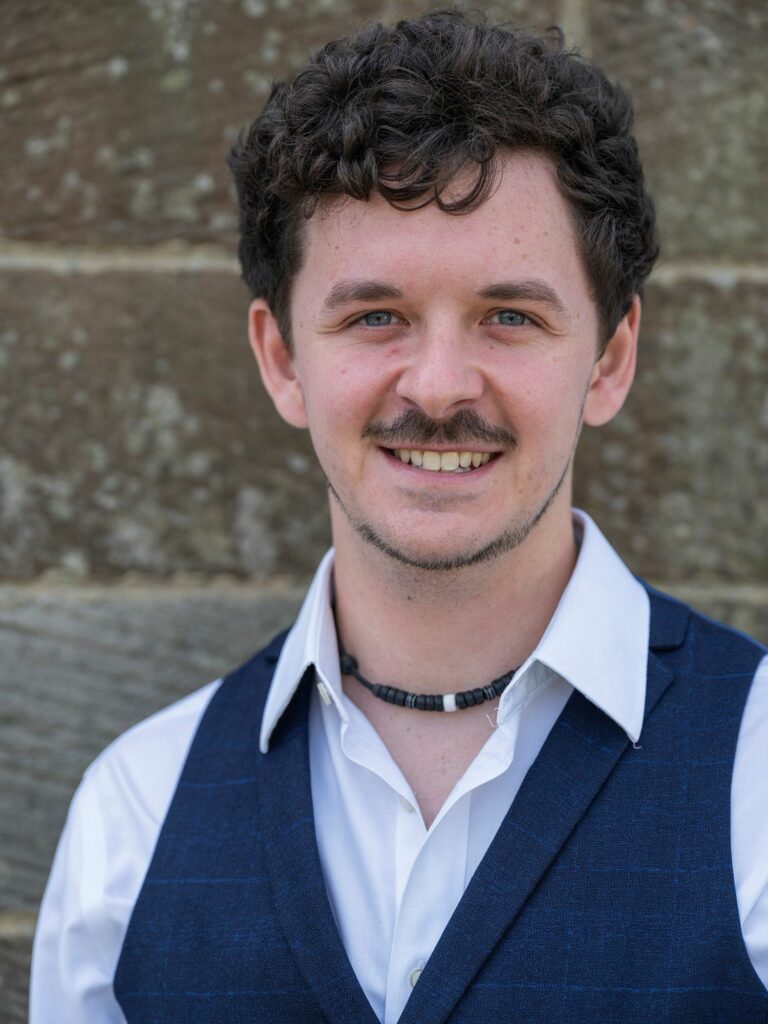
Today’s guest post is written by Chris from www.life-coaching-uk.com. You’ll learn about the importance of defining your own story and how to take action towards inner transformation!
How do you move from negative thoughts, feelings of depression or anxiety into a state of joy, happiness and fulfilment? Or an even bigger question: how does someone who says they’ve never experienced joy or happiness begin to shift their mindset and behaviour? It’s a million-dollar question which we’re about to discuss.
Phase 1: Define Your Story
The first phase is dealing with the baggage. We all carry baggage from our past, wounds that sometimes seem impossible to heal. However, embracing the coach approach, or as I like to call it, ‘slap therapy’, can be a transformative step toward moving on from past trauma and unlocking the full potential that resides within you. In this blog, we will explore some of the empowering strategies that can guide you on your journey to healing and personal growth.
Acknowledge Your Pain
Never fight back against a big negative emotion, it will only grow more overpowering. There’s a lot of power in acknowledging your pain. It’s essential to confront your past trauma head-on, recognising the impact it has had on your life. You must face your pain head-on to in over to move beyond it. Just like the song, you can’t go around it, you can’t go over it, and you can’t go under it. You must go through it. That means getting really honest with yourself and facing some uncomfortable truths. The more honest you are with yourself the more answers you’ll find. Here you will build a foundation of self-awareness that’s pivotal to life transformation. After all our emotions are there as signals to tell us something is right/ wrong. Listen to what that emotion has to say, and be with it fully, just like you would for a friend.
Change Your Focus, Change Your Life
If you did overcome this challenge, what would it look like? It’s crucial that you shift your focus from what went wrong in the past to what can go right in the future. By redirecting your energy toward positive thoughts and possibilities, you open yourself up to a world of opportunities for growth and healing. Furthermore, you could use the power of gratitude to shift your focus from what’s lacking to what you have. By cultivating a mindset of gratitude, you can break free from the chains of your past and embrace a brighter future. Moving on from past trauma is a challenging but rewarding journey. As a Results Coach, I offer a roadmap for personal growth. By acknowledging your pain, changing your focus, taking control of your thoughts, practising gratitude, redefining your identity, and taking massive action, you can unleash your inner strength.
Phase 2: Unleash Your Power
Welcome to phase 2! But before we talk about the steps remember that embarking on a journey to operate at your fullest potential is a constant commitment to self-discovery, growth, and transformation. Life has a habit of throwing things at us and you may need to recommit to the journey a number of times. Know that that’s okay, as long as the commitment is there. A few scientifically backed principles can guide you in unlocking your full potential and living a life of extraordinary achievement.
Set Compelling Goals
Create a clear vision of what you want to achieve. Well-defined goals give your life direction and purpose, serving as a roadmap for your journey to success.
Redefine Your Identity
Who do you want to be? Redefine your identity and break free from the limitations of past trauma. By creating a compelling vision of who you want to become, you can reshape your identity and move forward with purpose and confidence. But don’t stop there. You must take massive action toward your goals.
Master Your Emotions
Every thought/ behaviour/ action begins with your emotional state. If you’re in a low state, what thoughts do you have? If you were in an energised state, what action would you take? State is like building a muscle. Cultivate empowering habits that align with your goals. By establishing positive routines, you create a foundation for success and ensure that your daily actions contribute to your overall growth and potential.
Take Massive Action
Translate your goals and aspirations into concrete actions. Never stop learning and growing. Stay curious, seek knowledge, and invest in your personal and professional development to ensure continuous growth. Having that hunger for success is the catalyst for achieving extraordinary results. By actively pursuing positive changes in your life, you reclaim control and build momentum toward a brighter future.
Conclusion
Operating at your fullest potential is not a destination but a continuous journey of self-discovery and growth. Start simple and set your compelling goals, then master your state using sustainable habits. You can unleash your full potential and live a life that exceeds your wildest dreams. Think about it, how high do you set your goals when you’re in a low state? Yeah, much lower right? And how high do you set your goals when you’re in peak state? Start your journey today and take massive action, book the coach. Remember, your potential is limitless, and with the right mindset and strategies, you can reach new heights of success and fulfilment
If you like what you’ve read you can work with Chris at www.life-coaching-uk.com – check it out!
If you’re interested in personal development and self-improvement, why not sign up to receive news of future online courses at Stephen Brown Coaching, or check out my latest blog post on how to focus with the Pomodoro Technique?
Chris Garrard B.C.C., MDes Founder & Results Coach
Chris is the founder of www.life-coaching-uk.com, he focuses on getting clients massive results using researched-based coaching techniques from the International Coaching Institute and Tony Robbins