Categories
Bristol Coaching Life Coaching

How to Choose a Coach: The 3 Things to Consider

So you’re thinking about getting a coach? Great! But here’s what you need to ask yourself first…


Hey everyone, Stephen here 😊

A few weeks ago an enquiry popped into my inbox from someone looking for a coach. After a couple of quick exchanges, it became clear that they’d benefit from a coach with a different expertise than me – what they were looking for and what I specialise in were different things – we weren’t the right fit for each other. 

However, if you’re not familiar with the coaching landscape, how do you know what to look for? It struck me that although there are a huge amount of coaches out there to choose from, there’s not a lot of guidance in picking the right coach for you. So, what are the questions to ask yourself? And how do you find a coach that is the right fit for you? Let’s dive in and explore how to choose a coach effectively…

How to choose a coach

Why Coaching? What Benefits Are You Seeking?

The first question you should ask yourself is what you want to achieve from coaching. What are you hoping it will help you with? Coaching can be a real game-changer, but it’s important to be clear on what ‘success’ (or improvement) looks like for you.

Here are some personal and professional benefits that coaching can help with (backed by research!):

  • Level up your self-development: Want to finally smash those personal goals and become the best version of yourself? Coaching can provide the structure, support and accountability you need. 
  • Boost your efficiency: Feeling overwhelmed and like you’re never getting anything done? A coach can help you identify areas for improvement and develop strategies to work smarter, not harder. 
  • Take your career to the next level: Getting frustrated by work? Coaching can equip you with the skills and confidence to navigate your career path and achieve your professional goals.
  • Gain a fresh perspective: Sometimes we all get stuck in our own heads. A good coach can challenge your thinking and offer valuable insights you might have missed. 
  • Stay on track: Anyone who’s had a New Year’s Resolution knows that sticking with goals can be tough. A coach can be your accountability partner, keeping you motivated and focused on achieving what you set out to do. 

These are just some of the benefits coaching can offer. But to get the most out of it, you need to be clear on what YOU want to achieve.

What Specifically Do You Want to Work On?

So, what’s the area in your life that you think could benefit from coaching? Have you got your eye on a promotion, or think you might want a career pivot? Are you struggling with work-life balance and feeling a bit overwhelmed? Or do you simply want to boost your confidence and communication?

Having a clear understanding of your goals will not only help you choose the right coach, but it will also make the coaching process itself more effective.

SidenoteAlthough considered a ‘life coach’ my area of expertise is personal and professional development. There are some fantastic coaches out there who can help with many other aspects of life: business, exercise, nutrition, well-being, career, sports… and many, many more. Once you know what you want to work on it’s a great idea to search for that type of coach.

The following, however, should be considerations for any type of coach you’re looking for.

Finding the Perfect Fit: How to Choose a Coach

Once you know what you want to achieve, it’s time to find your coaching soulmate! (it’s quite useful to think of coaching like dating – you both want to get on with each other and be able to build trust for it to be successful).

I genuinely believe that coaching can be a benefit for everyone, however, not every coach will benefit everyone. We all have specific styles, approaches and strengths, so considering fit is important. 

There are a few key things to consider:

🧑‍🏫 Qualifications and Experience

The coaching landscape is like the wild-west, anyone can call themselves a coach without any previous experience, qualifications or expertise in a particular field. So, it’s really important to look for coaches with relevant training and experience, especially if your goals are specific like we’ve discussed before (e.g., career vs. life coaching). 

Certifications from places like the International Coaching Federation (ICF), the Institute of Leadership and Management (ILM) or the European Mentoring and Coaching Council (EMCC) are a good starting point, as well as other relevant qualifications and experience that meet your needs. Check out my qualifications here.

👌 Coaching Style

Do you prefer a coach who takes a more directive approach or one who works collaboratively with you? Are you looking for someone to challenge you, or wanting someone to give you space to reflect and learn? Make sure their style aligns with your preferences and learning style (if you’ve never had coaching before you may not know this, so check in with your coach and ask to try things out).

🧪 Chemistry

This is crucial! You’ll be sharing some personal stuff with your coach, so feeling comfortable and having a good rapport is essential. Most coaches offer a free introductory call, so use this opportunity to see if you click.

📌 Logistics

Consider your schedule and preferences. Do you prefer in-person coaching or online sessions? Coaching online offers flexibility but might take longer to build rapport. In-person coaching can be more personal but might be tricky to arrange geographically.

For example, I prefer coaching in person, usually in cafes which means my client and I can sit down, relax have a chat and a cuppa (and sometimes cake…) and take a break from screens.

Normally at the beginning, you’ll be doing weekly or fortnightly coaching sessions, so think about what your schedule will be able to support when considering a coach.

🚩Red Flags

Be wary of coaches who make big claims without evidence and never feel pressured to sign up immediately with a coach. It’s perfectly acceptable to take some time to consider your options and talk to a few coaches before choosing who to go with. Coaching is a big investment in yourself, so make sure you take the time to feel happy about your decision. 

Remember, the “best” coach is the one who’s the best fit for YOU. Don’t be afraid to shop around and interview a few different coaches before making a decision.

How to Choose a Coach – Conclusion

If you’re feeling pumped about the possibility of coaching, great! I’ve found it to be such a game-changer in my life and I know many of my clients have found it really useful as well. 

Hopefully, now you’re a bit more equipped to explore the Wild West of Coaches out there! I hope you find my ‘How to Choose a Coach’ guide useful, comment below or connect with me (LinkedIn, Twitter) if you have any further questions about this topic! 

See you soon,

Stephen


If you’re interested in personal development and self-improvement, why not sign up for my weekly(ish) newsletter, or click here to receive news of my future online courses?
Categories
Coaching Life Coaching

Improv Skills for Work – Supercharge Your Work-Life

Where we explore three key improv skills for work: active listening, creativity, and creating a supportive environment.


Ever watch a colleague handle a tough situation with impressive composure, while others seem to melt under pressure? Their secret weapon might surprise you: improv comedy.

Yes, the same improv you might associate with wacky costumes and hilarious games on TV! But here’s the thing: the skills honed on the improv stage translate so well to our modern, ever-changing world of work. Not only has improv been shown to provide general life benefits such as reducing social anxiety and building confidence, but it can also bring other benefits to our working life.

So, let’s dive into three key improv skills for work that you can use to transform your work life, backed by research…

Improv skills for work

1. Active Listening and Communication: The Art of Truly Being Heard

In improv, truly listening to your scene partner and responding based on understanding is essential.  Imagine a scene where one person keeps talking about their pet goldfish, while the other keeps trying to discuss a missing diamond necklace. It might be initially funny, but there’s nowhere for the scene to go… The same goes for work.

Active listening is the foundation of effective communication, as Gardner et al. (2019) point out. By focusing on what your colleagues are saying, asking clarifying questions, and showing genuine interest, you can dramatically improve communication across the board.

Taking Action: Challenge yourself to become a listening ninja! During your next meeting, ditch the multitasking and truly focus on what each person is saying. Summarise key points to show you’re engaged, and ask open-ended questions to encourage further discussion. You’ll stand out by purely giving your full attention in our very distracted world!

2. Building Creativity and Open-Mindedness: Thinking Outside the Box, Together

Improv thrives on embracing new ideas and building upon them.  One player might start a scene with a suggestion of “outer space,” and their partner might add “lost tourist with a broken spaceship.”  This ability to think outside the box and be receptive to diverse perspectives is exactly what fuels creative problem-solving in the workplace. Research by Lewis & Lovatt (2013) highlights the link between improv and fostering a more creative mindset.

Taking Action: The next time you’re brainstorming, incorporate the “Yes, And…” principle from improv. When someone throws out an idea, no matter how unusual, build upon it with a positive “Yes, And…” instead of shutting it down. You might be surprised at the innovative solutions that you come up with!

3. Creating an Environment of Trust, Support, and Psychological Safety:  We’re All in This Together!

Improv relies on fostering trust and collaboration between scene partners. Performers support each other’s ideas, knowing they’re all working towards creating a fun and engaging scene together. This translates directly to the workplace. When team members feel safe to take risks, share ideas freely, and support one another, a strong sense of psychological safety is created. This, in turn, fosters a more positive and collaborative work environment, as Gino (2019) suggests.

Taking Action: If you’re looking to build trust and psychological safety in your team, try incorporating improv games into your next meeting, workshop or team-building activity. Games that emphasise collaboration and building on ideas are a great way to break the ice and encourage team members to support each other.

Improv Skills for Work – Ready to Improv Your Work Life?

Here are some additional tips to get you started:

  • Start small: Don’t feel pressured to jump into full-blown improv workshops right away. Improv can be intimidating for a lot of people! Begin by incorporating simple improv principles into your daily interactions (like active listening and building on others’ ideas).
  • Embrace the fun: Improv is all about having fun and being playful. Don’t be afraid to step outside your comfort zone and experiment. Laughter is a powerful tool for building connection and reducing stress in the workplace.
  • Seek out resources: There are many online resources available to help you learn more about improv and its benefits in the workplace. You can also find improv classes and workshops offered in most major cities.

So, why not give it a try and see how much you can improv your work life?

See you soon!

Ste


Feeling curious to learn more about improv and how it can transform your work life? Check out the Bristol Improv Theatre to see how we can work with your organisation. Want to focus on yourself? Check out my blog on the ‘As if’ principle to improve your confidence.

If you’re interested in personal development and self-improvement, why not sign up for my weekly(ish) newsletter, or click here to receive news of my future online courses?

Categories
Bristol Coaching Guest Post Life Coaching

Inner Transformation: A Two-Phase Guide to Unlock your Potential

Today’s guest post is written by Chris from www.life-coaching-uk.com. You’ll learn about the importance of defining your own story and how to take action towards inner transformation!


How do you move from negative thoughts, feelings of depression or anxiety into a state of joy,
happiness and fulfilment? Or an even bigger question: how does someone who says they’ve
never experienced joy or happiness begin to shift their mindset and behaviour? It’s a million-dollar
question which we’re about to discuss.

Phase 1: Define Your Story

The first phase is dealing with the baggage. We all carry baggage from our past, wounds that
sometimes seem impossible to heal. However, embracing the coach approach, or as I like to call
it, ‘slap therapy’, can be a transformative step toward moving on from past trauma and unlocking
the full potential that resides within you. In this blog, we will explore some of the empowering
strategies that can guide you on your journey to healing and personal growth.

Acknowledge Your Pain

Never fight back against a big negative emotion, it will only grow more overpowering.
There’s a lot of power in acknowledging your pain. It’s essential to confront your past trauma
head-on, recognising the impact it has had on your life. You must face your pain head-on to
in over to move beyond it. Just like the song, you can’t go around it, you can’t go over it,
and you can’t go under it. You must go through it. That means getting really honest with
yourself and facing some uncomfortable truths. The more honest you are with yourself the more
answers you’ll find. Here you will build a foundation of self-awareness that’s pivotal to life
transformation. After all our emotions are there as signals to tell us something is right/
wrong. Listen to what that emotion has to say, and be with it fully, just like you would for a friend.

Change Your Focus, Change Your Life

If you did overcome this challenge, what would it look like? It’s crucial that you shift your
focus from what went wrong in the past to what can go right in the future. By redirecting
your energy toward positive thoughts and possibilities, you open yourself up to a world of
opportunities for growth and healing. Furthermore, you could use the power of gratitude to
shift your focus from what’s lacking to what you have. By cultivating a mindset of gratitude,
you can break free from the chains of your past and embrace a brighter future.
Moving on from past trauma is a challenging but rewarding journey. As a Results Coach, I offer a
roadmap for personal growth. By acknowledging your pain, changing your focus, taking control of
your thoughts, practising gratitude, redefining your identity, and taking massive action, you can
unleash your inner strength.

Phase 2: Unleash Your Power

Welcome to phase 2! But before we talk about the steps remember that embarking on a journey to
operate at your fullest potential is a constant commitment to self-discovery, growth, and
transformation. Life has a habit of throwing things at us and you may need to recommit to the
journey a number of times. Know that that’s okay, as long as the commitment is there. A few
scientifically backed principles can guide you in unlocking your full potential and living a life of
extraordinary achievement.

Set Compelling Goals

Create a clear vision of what you want to achieve. Well-defined goals give your life direction
and purpose, serving as a roadmap for your journey to success.

Redefine Your Identity

Who do you want to be? Redefine your identity and break free from the limitations of past
trauma. By creating a compelling vision of who you want to become, you can reshape your
identity and move forward with purpose and confidence. But don’t stop there. You must
take massive action toward your goals.

Master Your Emotions

Every thought/ behaviour/ action begins with your emotional state. If you’re in a low state,
what thoughts do you have? If you were in an energised state, what action would you take?
State is like building a muscle. Cultivate empowering habits that align with your goals. By
establishing positive routines, you create a foundation for success and ensure that your daily
actions contribute to your overall growth and potential.

Take Massive Action

Translate your goals and aspirations into concrete actions. Never stop learning and growing.
Stay curious, seek knowledge, and invest in your personal and professional development to
ensure continuous growth. Having that hunger for success is the catalyst for achieving
extraordinary results. By actively pursuing positive changes in your life, you reclaim control
and build momentum toward a brighter future.

Conclusion

Operating at your fullest potential is not a destination but a continuous journey of self-discovery
and growth. Start simple and set your compelling goals, then master your state using sustainable
habits. You can unleash your full potential and live a life that exceeds your wildest dreams. Think
about it, how high do you set your goals when you’re in a low state? Yeah, much lower right? And
how high do you set your goals when you’re in peak state? Start your journey today and take
massive action, book the coach. Remember, your potential is limitless, and with the right mindset
and strategies, you can reach new heights of success and fulfilment

If you like what you’ve read you can work with Chris at www.life-coaching-uk.com – check it out!

If you’re interested in personal development and self-improvement, why not sign up to receive news of future online courses at Stephen Brown Coaching, or check out my latest blog post on how to focus with the Pomodoro Technique?

Chris Garrard B.C.C., MDes
Founder & Results Coach

Chris is the founder of www.life-coaching-uk.com, he focuses on getting clients massive results using researched-based coaching techniques from the International Coaching Institute and Tony Robbins

Categories
Bristol Coaching Life Coaching

Pomodoro Power: Unleash Your Inner Focus and Conquer Procrastination

Isn’t a Pomodoro a tomato? Well… yes, but… Just hear me out for a second…

Have you ever stared at your to-do list, feeling completely overwhelmed? You know exactly what needs doing, and you can practically taste the satisfaction of completion. But for some reason, you just can’t seem to get started. Suddenly, checking emails or social media for “just a few minutes” becomes tempting, and that urgent task transforms into a looming project for “tomorrow.”

Fear not, fellow procrastinators! We’ve all been there. The Pomodoro Technique might just be the weapon you need to slay procrastination. This simple yet powerful technique has helped countless individuals, including myself – and it could be the key to boosting your focus and productivity.

Pomodoro

The Power of the Pomodoro

Developed by Francesco Cirillo, the Pomodoro Technique utilises short bursts of focused work followed by refreshing breaks. Here’s how it works:

  1. Pick Your Pomodoro: Choose a task and set a timer for 25 minutes (the classic pomodoro length).
  2. Laser Focus: For those 25 minutes, dedicate your complete attention to the chosen task. You can do anything for 25 minutes, right?? Silence those notifications, close unnecessary tabs, and treat this time as sacred.
  3. Enjoy a Break: When the timer rings, celebrate your mini-victory and reward yourself with a short break (typically 5 minutes). Stretch, grab a coffee, or do some mindful breathing.
  4. Repeat and Conquer: After your break, return to the task and repeat steps 1-3. Aim for 4 pomodoros before taking a longer break (around 20 minutes).

Why Does it Work?

The Pomodoro Technique’s effectiveness lies in its ability to combat two major productivity foes: procrastination and decision fatigue. Decision fatigue is a well-documented phenomenon where our willpower to make choices diminishes over time. The Pomodoro Technique tackles this by limiting decision-making during focused work periods. Knowing you only have 25 minutes dedicated to a task eliminates the mental struggle of “what should I do first?” and encourages you to dive straight in.

Try it out and see if it works for you! And remember, you don’t have to stick rigidly to 25-5. For example, a study by DeskTime found that working in 52-minute focused sessions with 17-minute breaks led to increased productivity. So mix it up and find your sweet spot. The key is breaking down overwhelming tasks into manageable chunks. Plus, the built-in breaks prevent burnout and keep you mentally fresh.

Why Does it Work?

Next time you face a daunting to-do list, ditch the overwhelm and embrace the Pomodoro Technique. Set that timer, silence distractions, and watch your productivity soar!

Ready to give it a try? Let me know in the comments below if you find the Pomodoro Technique helpful. And don’t forget to check back next week for another simple tool to boost your life!

If you’re interested in personal development and self-improvement, why not sign up to receive news of my future online courses, or check out some of my other blog posts? Recent blog topics include embracing modern technology and trying out using ChatGPT as your personal coach. Or, if you’re more of an analogue person, perhaps Bullet Journaling is more for you.

See you soon!

Ste

Categories
Coaching Life Coaching

Bullet Journaling: Unlock Your Productivity, Creativity and Calm

Do you often find yourself drowning in a sea of to-do lists? Struggling to find time for your creative pursuits? Or simply yearning for a sense of inner peace and organisation? If so, the Bullet Journal might just be the simple yet powerful tool you’ve been searching for to transform your life.

At its heart, Bullet Journaling is a customisable system for organising your thoughts and tasks. It’s like having a personal planner, to-do list, and creative canvas all rolled into one. While it may seem intimidating at first glance (especially if you look at the insanely intricate and beautiful examples on social media!), the brilliance of Bullet Journal lies in its flexibility and adaptability. You can tailor it to your unique needs and preferences, whether you’re a busy professional, a creative soul, or simply someone seeking a sense of calm amidst the chaos.

Benefits of Bullet Journaling

  • Unleash Your Inner Productivity – Bullet Journaling offers a wealth of benefits for boosting your productivity. By keeping your thoughts and tasks organised, you can banish procrastination and focus on what truly matters. With its structured approach, you’ll never lose track of deadlines, appointments, or important ideas again.
  • Embrace Your Creativity – Beyond its organisational prowess, Bullet Journal nurtures your creativity. Its blank pages provide a canvas for brainstorming, journaling, and planning your next creative endeavour. Capture fleeting ideas, sketch out designs, and track your artistic progress – the possibilities are endless.
  • Find Your Inner Peace – The act of journaling and reflecting on your thoughts can significantly reduce stress and boost self-awareness. Bullet Journaling provides a safe space to process emotions, set goals, and celebrate your achievements. By acknowledging your thoughts and feelings, you gain a deeper understanding of yourself and your motivations.

How to Embark on Your Bullet Journaling Journey

All you need to embark on this transformative journey is a notebook and a pen. Choose a notebook that inspires you, whether it’s dotted, squared, or a plain notebook. The beauty of Bullet Journaling lies in its versatility – there are no strict rules or guidelines.

Begin by creating an index to keep track of your different sections and pages. You can then experiment with various layouts and symbols to organise your tasks, notes, and creative ideas. Use different colours to code your entries or add visual elements that resonate with you.

Track Your Habits and Progress

One of the most powerful aspects of Bullet Journaling is its ability to track your habits and progress over time. Use habit trackers to monitor your daily routines, fitness goals, or any other area you wish to improve. Visualising your achievements can be incredibly motivating.

Don’t Be Afraid to Embrace Simplicity

While Bullet Journaling can be as intricate as you desire, it’s perfectly fine to keep things simple. The key is to find a system that works for you and fits your lifestyle. If you’re not a fan of elaborate designs, embrace the power of a black pen and focus on the core elements of the system – this is how I personally approach my Bullet Journal!

Conclusion

Bullet Journaling is a versatile tool that can empower you to achieve your goals, enhance your creativity, and find inner peace. With its customisable approach, it can adapt to your unique needs and preferences, making it an invaluable companion for personal and professional growth.

So, download your brain, ditch the overwhelm and embrace the simplicity and power of Bullet Journaling. You might just discover the key to a more organised, creative, and fulfilling life.

If you’re interested in personal development and self-improvement, why not check out some of my other blog posts? For example, the benefits of a monthly check-in can help with balance and purpose and is great to use with your Bullet Journal. Or why not embrace modern technology and try out using ChatGPT as your personal coach?

See you soon!

Ste

Resources:

  • The Bullet Journal Method by Ryder Carroll
  • Search “Bullet Journal Inspiration” on Social Media (but don’t be intimidated! It’s OK to start simply!)
Categories
AI Coaching Coaching Life Coaching

Embrace Personal Growth: ChatGPT – Your AI Life Coach

How could you utilise the power of AI chatbots, like ChatGPT, to create your own AI life coach experience?

In the realm of personal development, the pursuit of self-discovery and growth is an ongoing journey. As individuals, we constantly seek guidance and support to navigate life’s challenges, enhance our well-being, and achieve our aspirations. While traditional life coaching has long been a valuable resource, the emergence of AI chatbots has the potential to introduce a new dimension to the coaching experience.

AI Chatbots, like ChatGPT, hold immense potential as a powerful tool for many areas of life. Life coaching is no exception! With its ability to process vast amounts of information, generate human-quality text, and engage in meaningful conversations, ChatGPT offers a unique opportunity to enhance the accessibility and effectiveness of life coaching.

The Benefits of an AI Life Coach

AI Life Coach. SB Coaching.

Accessibility and Convenience

The first benefit is accessibility. Life coaching opportunities can often be restricted by time, geography and financial factors. ChatGPT, however, breaks down these barriers by offering accessible and convenient coaching support.

Individuals can engage in coaching-like conversations with ChatGPT from the comfort of their homes, at any time of their choosing. This accessibility allows for more frequent and consistent coaching interactions, fostering a stronger sense of connection and support.

Elevating Journalling

It can be useful to think of using ChatGPT for these types of conversations as an enhanced or augmented journaling experience, sitting somewhere in the middle of traditional journaling and life coaching. 

A fundamental aspect of both journaling and life coaching lies in increased self-awareness and encouraging individuals to reflect on their thoughts, beliefs, and behaviours. ChatGPT, through its ability to ask insightful questions and provide prompts for introspection, can facilitate this process of self-exploration.

By engaging in open-ended conversations with ChatGPT, individuals can delve deeper into their motivations, values, and patterns of behaviour. ChatGPT’s ability to analyse language and identify underlying themes can help individuals uncover hidden insights and gain a clearer understanding of their thought processes.

Things to be Aware of With an AI Life Coach

While using chatbots for some life coaching can provide valuable insights and support for personal growth and development, it is important to note that it should not be considered a replacement for a qualified life coach or therapist. ChatGPT is a tool that can be used to complement professional coaching or therapy services, but it is not a substitute for the expertise and guidance of a trained professional.

If you are experiencing significant emotional distress, mental health challenges, or trauma, it is crucial to seek professional help from a qualified life coach or therapist. These professionals have the training, experience, and qualifications to provide the appropriate care and support for individuals facing complex emotional or mental health issues.

Your Personalised Coaching Prompt for ChatGPT

By copying and pasting the following prompt into an AI chatbot you can simulate a coaching conversation that can provide valuable insights into your behaviours and motivations. 

“I’d like to have a coaching conversation about [topic you’d like to explore]. Take the perspective of a world-leading life coach using a mainly non-directive approach and looking to get to the root cause of the problem. Ask me challenging questions one at a time and give me to opportunity to reflect and answer.”

Struggling with where to start? Here are some suggestions for common life-coaching topics to provide you with some inspiration:

  • Overcoming procrastination, increasing motivation and setting effective goals
  • Cultivating a growth mindset and pushing yourself out of your comfort zone
  • Navigating uncertainty, managing anxiety and focusing on what you can control
  • Building your confidence and sense of self-worth
  • Discovering passions, purpose and direction
  • Fostering healthy relationships and improving communication
  • Reducing stress and creating boundaries
  • Improving your money management, financial planning or getting out of debt

Chatbots are still experimental, so give it a try and see if you can uncover anything about yourself! You can even change the prompt for ChatGPT to take on the personality of someone who you admire. 

I’d be interested to see how you get on – let me know!

See you soon!

Stephen

Categories
Bristol Coaching Life Coaching

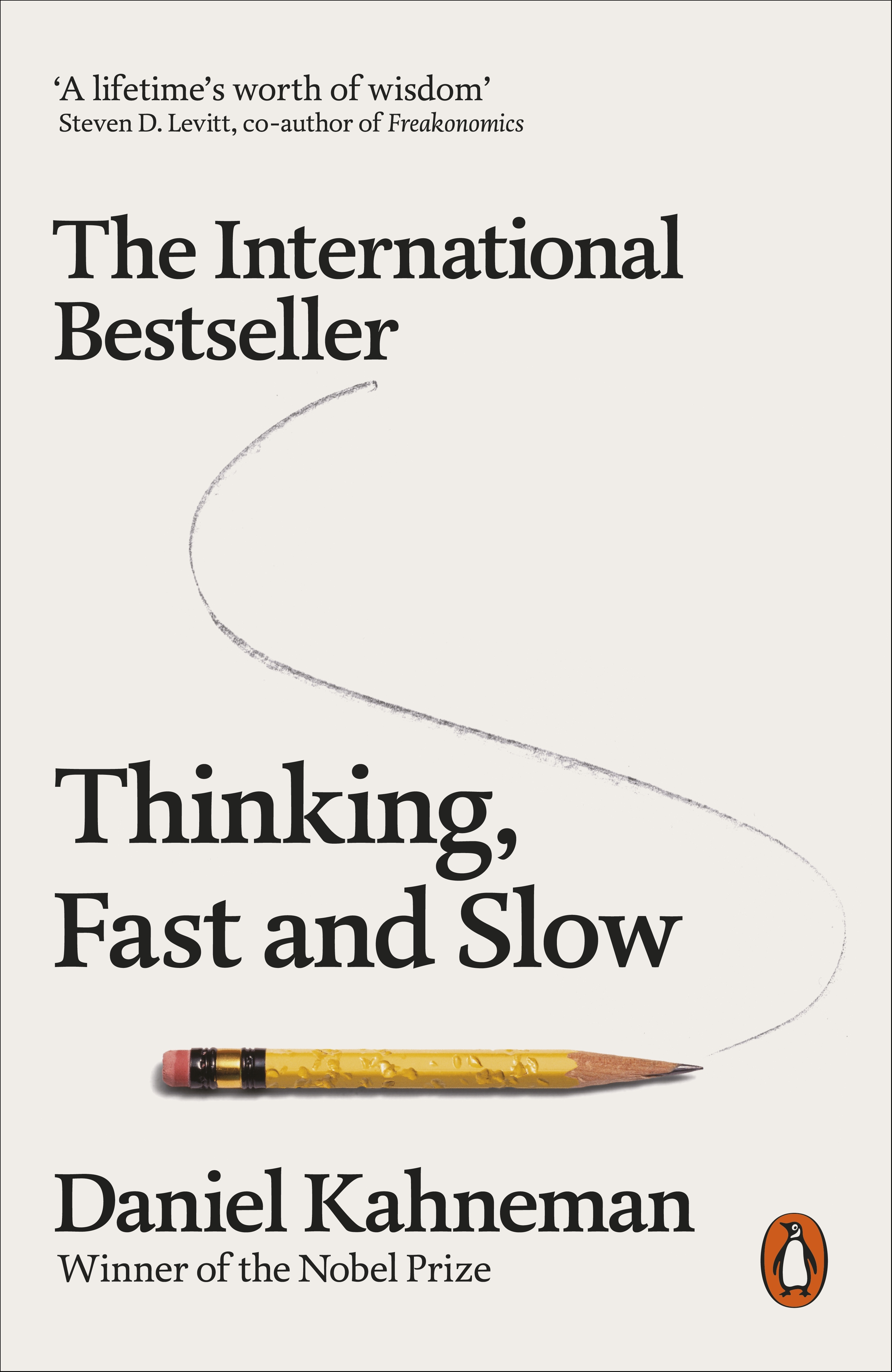
Make Better Decisions: Thinking, Fast and Slow Book Summary

Amidst the daily hustle and bustle of our lives, we make countless choices, from seemingly insignificant to life-altering ones, that shape our experiences and determine our paths. Have you ever wondered what drives these decisions? Why do we sometimes make choices that we later regret? In his groundbreaking 2011 book, “Thinking, Fast and Slow,” Nobel Prize-winning psychologist Daniel Kahneman sheds light on the intricate workings of the human mind, revealing that our decisions are often influenced by two distinct systems of thinking: System 1 and System 2.

System 1, our fast and intuitive mode of thinking, operates effortlessly, generating quick judgments and instant reactions. It’s what we use when swerving to avoid an obstacle or deciding what to eat for breakfast. System 1 is adept at pattern recognition and quick responses, making it an efficient tool for navigating everyday situations.

In contrast, System 2 is our slow, deliberate way of thinking, employed for complex tasks that demand focused attention and mental exertion. It’s what we use when solving intricate puzzles or making major life decisions. System 2 engages in rational analysis and complex computations, enabling us to make well-considered choices.

The Power and Limitations of Dual Thinking

While both System 1 and System 2 play valuable roles in our decision-making processes, they also have their own limitations.

System 1, despite its efficiency, is prone to biases and heuristics, mental shortcuts that can lead to errors in judgment. For instance, our tendency to anchor our decisions on initial information, known as the anchoring effect, can lead to suboptimal choices.

System 2, though capable of rational analysis, is vulnerable to mental fatigue and distractions. When our attention is divided or our minds are weary, System 2 can falter, leading to impulsive decisions driven by System 1’s biases.

Make Better Decisions: Be Aware of Cognitive Biases

Our cognitive biases and expectations about the way the world works influence our thinking and decision-making. We all have cognitive biases, otherwise, we wouldn’t be able to function in our daily lives. The trick is to identify which are useful, and which are not. By being aware of those biases our brains are influenced by we are able to take the first step in mitigating their impact. Here are some common ones to be aware of.

  • Prospect Theory: People are more averse to losses than they are motivated by equivalent gains. Recognizing this bias can reshape how you approach risks and rewards.
  • Endowment Effect: We tend to ascribe higher value to things simply because we own them. Be mindful of this bias when evaluating possessions or investments.
  • Overconfidence: Assess your level of confidence in your decisions. Overconfidence can lead to poor judgments. Embrace a humble approach to decision-making.
  • The Sunk Cost Fallacy: We are more likely to stick with a decision if we’ve already invested (time, money, effort) in it previously, even if it’s not likely to provide us with positive returns. 

Overcoming Cognitive Biases: The Path to Informed Decisions

Kahneman’s work doesn’t just expose the limitations of our thinking; it also provides practical tools to navigate the mental maze and make informed decisions. By understanding the interplay between System 1 and System 2, we can harness the power of dual thinking to make more rational choices.

Here are some actionable tips you can apply to your daily life:

  • Slow Down and Engage System 2: When facing important decisions, resist the urge to react impulsively. Engage System 2 by pausing, carefully considering the options, and evaluating the long-term consequences.
  • Challenge Your Intuition: Don’t blindly trust your gut feelings. Question your initial assumptions and seek out disconfirming evidence to challenge your biases.
  • Seek Diverse Perspectives: Surround yourself with people who hold different viewpoints. Engage in open and honest discussions to broaden your understanding and consider alternative perspectives.
  • Beware of Emotional Influences: Emotions can cloud our judgment. Recognize when emotions are driving your thinking and strive to detach yourself from their influence.
  • Embrace Uncertainty: Accept that uncertainty is an inevitable part of life. Avoid making decisions based on fear or a need for absolute certainty.
  • Maintain a Decision Journal: Regularly reflect on your decisions and the reasoning behind them. This can help you identify patterns and areas for improvement.

Transforming Your Decision-Making Process

By understanding the dual-process theory and applying these practical strategies, you can transform your decision-making process, leading to choices that align with your long-term goals and values. Embrace the journey of understanding your mind, and you’ll embark on a path towards better decisions and a more fulfilling life.

Make Better Decisions. Thinking, Fast and Slow by Daniel Kahneman

If you’d like more awareness in your own mind, why not try adopting a Monthly Check-in? Or if you’re looking to make bigger changes, check out my New Year’s Reset course, or get in touch for some personal coaching.

Categories
Bristol Coaching Life Coaching

Stoicism for Modern Life

Stoicism for Modern Life: How to Live a Good Life in Uncertain Times

Do you ever feel overwhelmed by the challenges and uncertainties of modern life? Do you wish you could be more calm, confident, and happy?

If so, you might benefit from learning about Stoicism.

Stoicism is an ancient Greek philosophy that teaches us how to live a good life in the face of adversity. It is a philosophy that is based on the belief that we can control our own thoughts and emotions, but that we cannot control the world around us.

Stoicism is not about being emotionless or indifferent. It is about being rational, resilient, and virtuous. It is about finding peace and joy in what we have, rather than what we don’t have.

Stoicism is also very practical and relevant for our modern times. Its principles can help us to cope with stress, improve our relationships, and achieve our goals.

The Key Principles of Stoicism

Stoicism is a rich and complex philosophy, but it can be summarised by four main principles:

  1. Focus on what you can control. This is the core idea of Stoicism. We can control our own thoughts and emotions, but we cannot control the world around us. Therefore, we should try to focus more on the things that we can control and let go of the things that we can’t control.
  2. Accept what you cannot change. Another important Stoic principle is to accept the things that we cannot change. This doesn’t mean that we have to like or agree with these things, but it does mean that we should try to accept them as they are and move on.
  3. Live in the present moment. The past is gone and the future is not yet here. The only moment that we have is the present moment. Therefore, we should focus on living in the present moment to the fullest.
  4. Be grateful for what you have. It is easy to focus on the things that we don’t have or want. But it is important to be grateful for the things that we do have or have achieved. This will help us to appreciate our lives and to be happier.

How to Apply Stoicism for Modern Life

There are many ways to apply Stoic principles to your life. Here are a few examples:

  • When you are faced with a difficult situation, ask yourself: What can I control in this situation? What can I not control? Focus on the things that you can control and let go of the things that you cannot control.
  • When you are feeling negative emotions, ask yourself: Are my thoughts and emotions helpful or unhelpful? If they are unhelpful, try to kindly challenge them. What could be another possible explanation? Is there another perspective that you could adopt? When you catch yourself in unhelpful thinking patterns, try to replace them with more helpful thoughts and emotions. Eventually thinking more positively will become your default.
  • Take some time each day to reflect on the things that you are grateful for.
Stoicism for modern life

Here are some specific examples of how to apply Stoicism for modern life:

  • At work: If you are stuck in a traffic jam on the way to work, don’t get angry or upset. You cannot control the traffic. Instead, focus on what you can control, such as listening to your favourite podcast or making a to-do list for the day.
  • In relationships: If your partner does something that you don’t like, don’t get into an argument. You cannot control your partner’s behaviour. Instead, focus on what you can control, such as calmly communicating your feelings and needs.
  • In personal development: If you are trying to lose weight, don’t get discouraged if you have a setback. Everyone has setbacks. Instead, accept that you cannot change the past, but you can focus on what you do next, such as eating healthy foods and exercising regularly.

Conclusion

Stoicism is a powerful philosophy that can help us to live more resilient and fulfilling lives. By applying Stoic principles to our lives, we can learn to accept what we cannot change, focus on what we can control, live in the present moment, and be grateful for what we have.

If you are interested in learning more about Stoicism, I recommend reading the book ‘Meditations’ by Marcus Aurelius. It is a classic Stoic text that is full of wisdom and practical advice, and ‘The Daily Stoic’ by Ryan Holiday is a great resource for snippets of stoicism (Ryan also has a mailing list you can sign up to for a daily stoic thoughts and quotes, I’d really recommend checking it out on his website).

You can also check out some other relevant topics on my blog, such as developing a Growth Mindset, or using the ‘As If’ principle for more tips and advice on living a good life.

See you soon! Stephen

Categories
Bristol Coaching Life Coaching

The Benefits of a Monthly Self-Check-In

The Monthly Self-Check-In: How to Reflect on Your Progress and Stay on Track

It’s easy to get caught up in the day-to-day hustle and bustle of life and forget to take some time for yourself. But taking time to reflect on your progress and goals can be incredibly beneficial, especially if you do it on a regular basis.

Monthly or weekly self-check-ins are a simple way to identify your strengths and weaknesses, set achievable goals, track your progress, and stay motivated. They can also help you to improve your overall performance and well-being.

How to conduct a monthly self-check-in

To conduct a monthly self-check-in, set aside some time at the end of each month to reflect on the following questions:

  • What went well this month?
  • What are some areas where I could improve?
  • What are my goals for next month?
  • What steps do I need to take to achieve my goals?

Once you have reflected on these questions, take some time to write down your thoughts and findings. This will help you solidify your thoughts and plan for the coming month.

Benefits of a monthly self-check-in

There are many benefits to taking time for monthly self-check-ins, including:

  • Increased self-awareness: Reflecting on your progress and goals can help you to become more self-aware. This can help you to identify your strengths and weaknesses and to set more realistic goals.
  • Improved motivation: Knowing what you want to achieve and having a plan for how to achieve it can help you stay motivated and on track.
  • Better performance: By tracking your progress and identifying areas where you can improve, you can gradually improve your overall performance.
  • Reduced stress: Taking time to reflect on your progress and goals can help to reduce stress. When you know what you’re working towards and you have a plan for how to get there, you’re less likely to feel overwhelmed.

Tips for getting started

Here are a few tips for getting started with your own monthly self-check-ins:

  • Set aside time at the end of each month to reflect on your progress and goals. Try making it a treat for yourself!
  • Find a quiet place where you won’t be disturbed.
  • Write down your thoughts and findings in a journal or notebook.
  • Be honest with yourself about your strengths and weaknesses.
  • Set achievable goals for the coming month.
  • Identify the steps that you need to take to achieve your goals.
  • Review your monthly self-check-in at the beginning of the following month to stay on track.

Conclusion

Taking time for monthly self-check-ins is a simple but effective way to improve your overall performance and well-being. If you’re not already doing it, I’d really encourage you to give it a go and start one today.

If you want to try it for yourself, download my free monthly self-check-in worksheet (coming soon!) to help you get started.

What are your thoughts? Have you taken some time for yourself and tried a monthly self-check-in? Share your experiences in the comments!

If you’re interested in learning more topics and concepts to help you improve your life, why not check out my post on Developing a Growth Mindset, The ‘As If’ Principle, or check out my Reset Course?

See you soon,

Stephen

Categories
Bristol Coaching Life Coaching

Fake It Until You Make It with the ‘As If’ Principle

Do you ever feel like you’re not good enough for your goals? Like you don’t have the skills, the confidence, or the luck to succeed?

You’re not alone. Many people struggle with self-doubt and impostor syndrome. But what if I told you that there’s a simple way to overcome these feelings and achieve your goals anyway?

It’s called the ‘As If’ Principle, and it’s a powerful psychological technique that can help you to become the person you want to be.

What is the ‘As If’ Principle?

The ‘As If’ Principle is based on the idea that your behaviour influences your thoughts, feelings, and attitudes, rather than the other way around.

In other words, if you act ‘as if’ you’re already the person you want to be, you’ll start to feel and think like that person too.

For example, if you act confident, you’ll start to feel confident. If you act successful, you’ll start to think successful. And if you act happy, you’ll start to feel happy.

It sounds too good to be true, right? But there’s actually a lot of scientific evidence to back up this principle.

How does it work?

The ‘As If’ Principle works by creating a feedback loop between your behaviour and your brain.

When you act a certain way, your brain receives signals from your body that tell you what kind of person you are. For example, when you smile, your brain releases chemicals that make you feel happier. When you adopt a power pose, your brain lowers your stress hormone and boosts your confidence hormone.

Your brain then adjusts your thoughts and feelings accordingly, which in turn reinforces your behaviour. For example, when you feel happier, you’re more likely to smile. When you feel more confident, you’re more likely to adopt a power pose.

This feedback loop creates a positive spiral that can help you to achieve your goals.

How can I use it to achieve my goals?

Using the ‘As If’ Principle is easy. All you need to do is choose the person you want to be and start acting ‘as if’ you’re already that person.

For example, if you want to be more confident, start acting more confident. Walk with your head held high, make eye contact, and speak clearly and assertively.

If you want to be more successful, start acting more successful. Dress professionally, set high standards for yourself, and surround yourself with successful people.

At first, it may feel fake or awkward. But don’t worry. The more you act ‘as if’, the more natural it will become. And the more natural it becomes, the more likely you are to achieve your goals.

You don’t have to change everything at once. Just pick one thing that you want to improve and start doing it today. Then when it becomes a habit, try another one.

Examples of the ‘As If’ Principle in action

If you’re still sceptical about the ‘As If’ Principle, here are some examples of how it has been proven by psychological research:

  • Strack et al. (1988) showed that holding a pen in a way that mimics a smile makes cartoons more funny, implying that smiling can make you happier.
  • Carney et al. (2010) found that adopting high-power poses before a mock interview improves performance, confidence, and hormonal balance, indicating that acting powerful can make you feel powerful and less stressed.
  • Dweck et al. (1999) demonstrated that teaching students that intelligence can be improved through effort increases their persistence, enjoyment, and achievement in challenging tasks, suggesting that acting capable can make you more motivated and successful.

(More on this idea of the Growth Mindset on my blog [Link] and in my book review [coming soon!])

Want to learn more about the ‘As If’ Principle? 

If you’re interested in learning more about the ‘As If’ Principle, I recommend reading the book Rip it Up by Richard Wiseman. It’s a great book that will give you all the tools you need to start using the ‘As If’ Principle to achieve your goals. And if you want to read more about “Rip it up!” check out my book review [coming soon!]

You can also subscribe to my blog or follow me on social media for more tips and advice on how to achieve your goals. Why not check out my post on the benefits of a monthly self-check-in next?

What are your thoughts on the ‘As If’ principle? Share them in the comments below!

See you soon

Stephen